
Quick things every visitor wants to know before travelling
Ghana is one of the most visited countries in West Africa. Travellers come for culture, history, beaches, food and festivals. These 20 fast facts give a clear and simple overview of what visitors search for most when planning a trip.
1. Location
Ghana is located on the West African coast, bordered by Côte d’Ivoire, Burkina Faso and Togo. The southern coastline meets the Gulf of Guinea. Its position makes it easy to combine coastal travel with inland cultural and wildlife experiences.
2. Capital City
Accra is the capital and the main gateway for international visitors. It is home to major hotels, restaurants, markets, beaches and cultural sites. Most travellers spend at least a day here before exploring other regions.
3. Main Airport
Kotoka International Airport (ACC) is Ghana’s primary airport. It offers direct flights from Europe, the Middle East and other African countries. Coming from the US, you can connect through Amsterdam, London, Brussels, Paris and various German airports. Immigration, baggage and transport services are straightforward and visitor‑friendly.
4. Language
English is the official language and widely used in business, tourism and education. Ghana also has many local languages, including Twi, Ga, Ewe and Dagbani. Travellers often enjoy learning simple greetings in local languages.
5. Currency
The Ghanaian Cedi (GHS) is used nationwide. ATMs are common in cities, and mobile money is widely accepted for everyday payments. Credit cards work in hotels and larger restaurants but are less common in rural areas.
6. Weather
Ghana has warm weather throughout the year. The dry season runs roughly from November to March, offering sunny days and lower humidity. Rainy seasons vary by region, with heavier rainfall in the south and lighter showers in the north.
7. Safety
Ghana is known as one of the safer countries in West Africa. Visitors generally feel comfortable travelling around cities and tourist areas. Normal travel awareness is recommended, especially at night and in busy markets.
8. Transport
Taxis and ride‑hailing apps, like Bolt, are widely used in Accra and major cities. Tro‑tro minibuses offer low‑cost transport for locals. Domestic flights connect Accra with Kumasi, Tamale, Takoradi and other regional hubs.
9. Popular Tourist Areas
Accra, Cape Coast, Elmina, Kumasi, Mole National Park, Ada, Shai Hills and the Volta Region are among the most visited. Each area offers a different experience, from beaches and wildlife to culture and history.
10. Beaches
Ghana’s coastline includes popular beaches such as Labadi, Kokrobite, Busua, Butre and Ada. Many offer restaurants, surf schools, live music and weekend events. Some beaches are lively, while others are quiet and scenic.
11. Food
Ghanaian food is flavourful and often shared in groups. Popular dishes include jollof rice, waakye, fufu, banku, kenkey and grilled tilapia. Street food is common and offers quick, affordable meals for travellers.
12. Culture & Traditions
Ghana is known for music, dance, kente weaving, traditional festivals and strong community life. Visitors often experience drumming, storytelling and local crafts during cultural tours or village visits.
13. History
Ghana has important historical sites linked to the trans‑Atlantic slave trade and the Ashanti Kingdom. Cape Coast Castle, Elmina Castle, Kwame Nkrumah Memorial Park and Manhyia Palace are key places for learning about Ghana’s past.
14. Festivals
Ghana hosts many festivals throughout the year, including Homowo, Aboakyir, Hogbetsotso, Odwira and Panafest. These events feature music, dance, parades and traditional ceremonies that attract visitors from Ghana and abroad.
15. Wildlife
Mole National Park is Ghana’s main wildlife destination, home to elephants, antelope, baboons and many bird species. Other nature areas include Kakum National Park with its canopy walkway and Shai Hills for hiking and wildlife viewing.
16. Music & Nightlife
Ghana’s music scene includes highlife, hiplife, Afrobeats and traditional drumming. Accra and Kumasi offer active nightlife with bars, lounges and live music venues. Weekend events are common in coastal towns.
17. Shopping
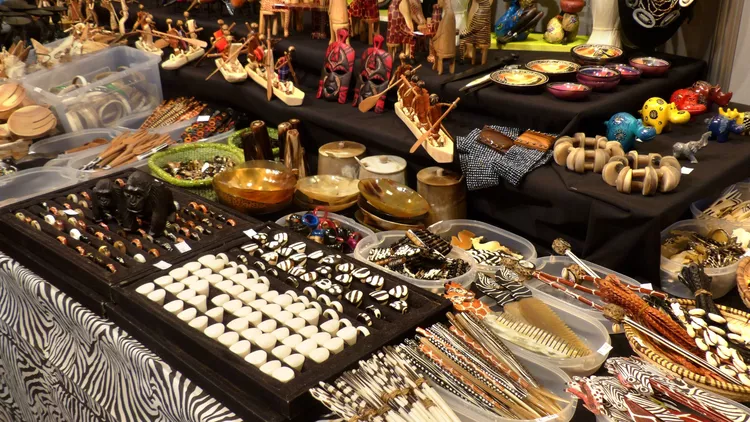
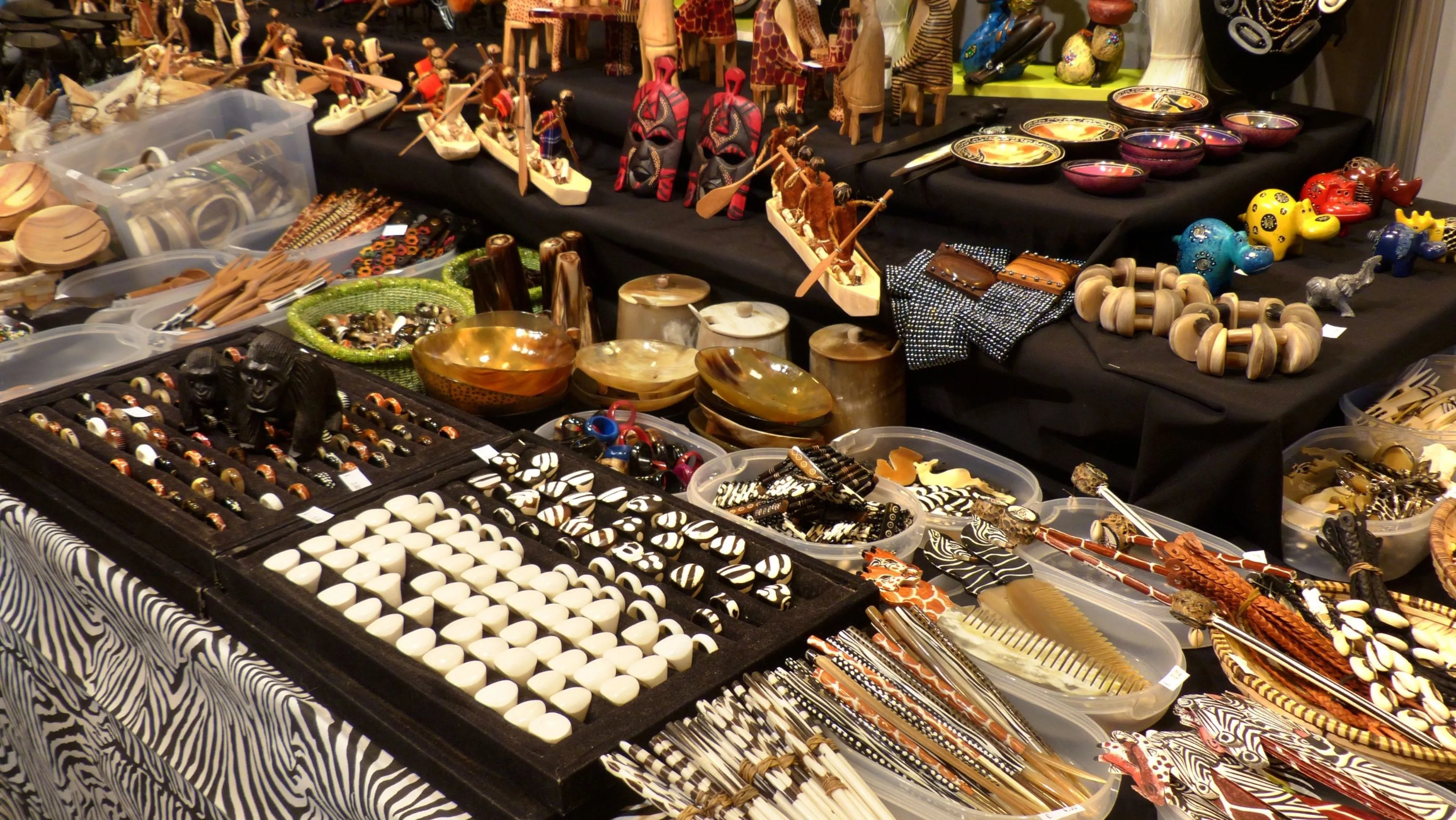
Markets such as Makola, Arts Centre and Kejetia offer crafts, clothing, beads and souvenirs. Shopping malls in Accra and Kumasi provide modern retail options. Bargaining is normal in markets.
18. Internet & Connectivity
Mobile data is affordable and widely available. Visitors can buy local SIM cards at the airport or in city shops. Wi‑Fi is common in hotels, cafés and coworking spaces, though speeds vary by location.
19. Health & Vaccinations
A yellow fever vaccination is required for entry. Travellers often take malaria precautions depending on their itinerary. Clean drinking water is available in hotels and restaurants, but bottled water is recommended elsewhere.
20. Visa & Entry Requirements
Most visitors need a visa before arrival. Some nationalities qualify for visa‑on‑arrival with prior approval. Passports must be valid for at least six months. Immigration procedures are generally smooth and visitor‑friendly.







Comments