Introduction
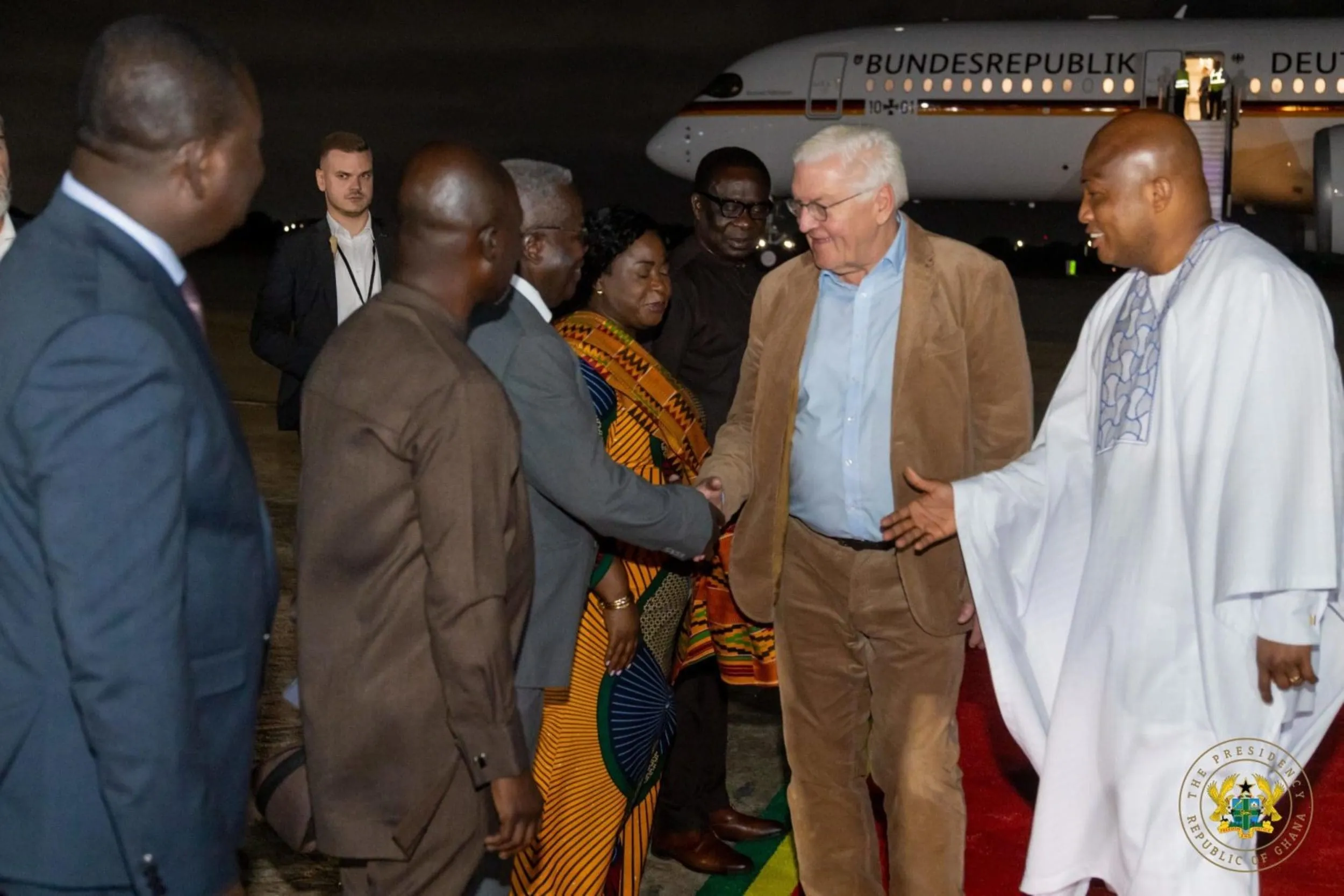
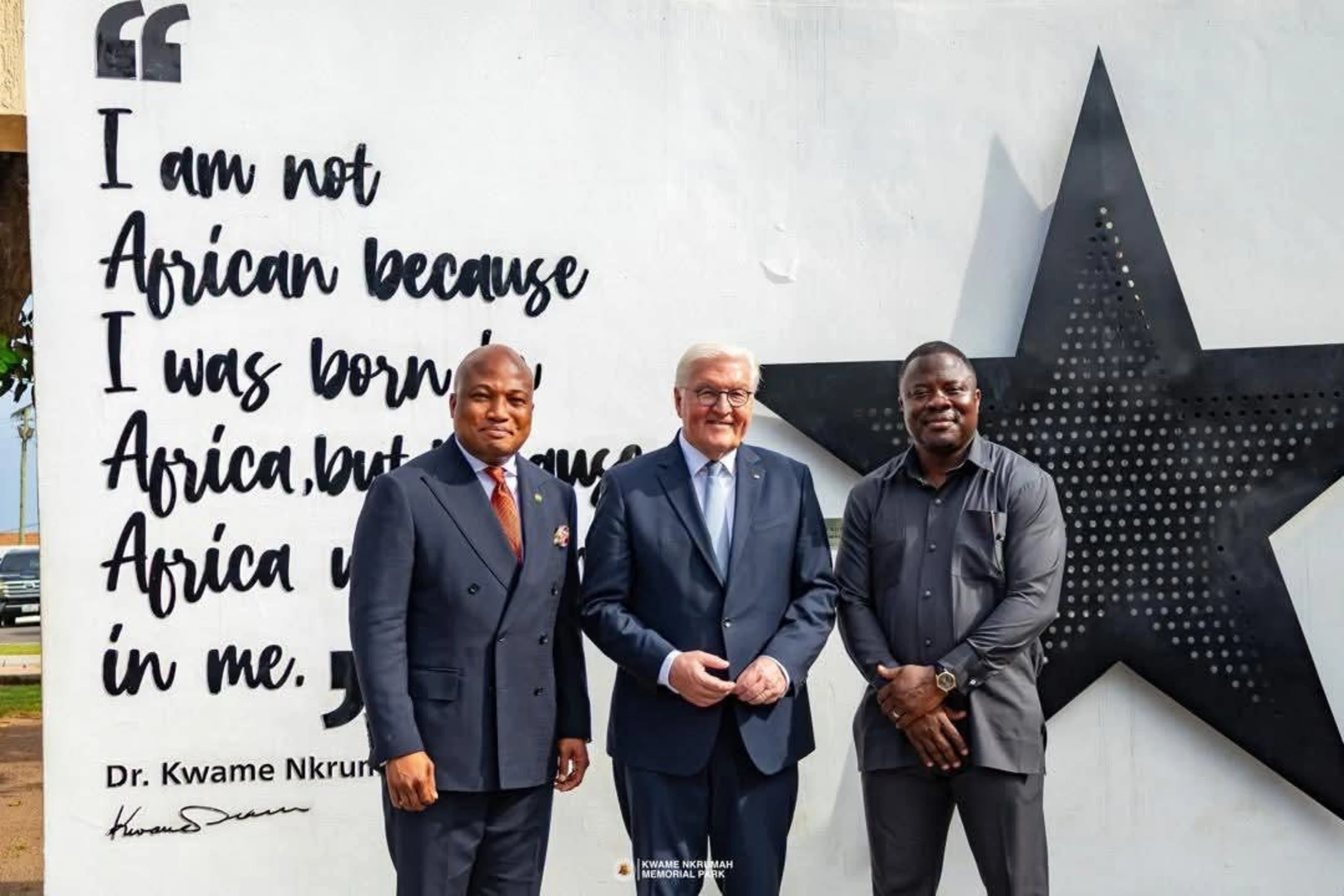
The recent three-day state visit by German President Frank-Walter Steinmeier to Ghana (2–4 November 2025) offers Ghana a timely and potent platform to boost its tourism offering, attract German visitors and stimulate German investment into the tourism sector. This article outlines why the visit matters for tourism, how Ghana can leverage it, and proposes concrete actions and strategic directions to ensure the moment translates into real results.
Why this Visit Matters for Ghana’s Tourism Sector
High‐level visibility and signalling
The fact that Ghana hosted the German head of state demonstrates Ghana’s importance as a partner and opens media spotlight on Ghana’s attractions, culture and investment climate.
Economic and developmental commitments from Germany
Germany committed over €65 million (approx. GH¢823 million) in development assistance to Ghana, signaling deeper cooperation. While not tourism-specific, this commitment underscores Germany’s willingness to engage, which can spill into tourism linkages (skills, green technologies, infrastructure) that support tourism growth.
Historical and cultural links and interest from German market
Germany is a major economy with travellers who often seek heritage, nature and culture - areas in which Ghana is rich. The visit can help reposition Ghana in German travellers’ minds, not only as a business/aid partner but as a tourism destination.
Momentum for investments and partnerships
The visit included meetings in regions (e.g., Kumasi) and with educational institutions that point to broader cooperation (innovation, TVET, R&D). This creates openings for private sector tourism investment (eco-lodges, resorts, heritage centres) backed by German technical and financial support.
How Ghana Can Leverage the Visit: Strategic Opportunities

Align the tourism narrative with the Visit
- Brand moment: Use the state visit as a publicity anchor - “Germany’s President visits Ghana: Discover our heritage, nature and investment potential.”
- Media & influencer engagement: Invite German travel journalists, bloggers and influencers to visit to Ghana’s heritage sites so that stories from Germany reflect Ghana’s tourism offering. There is already one journalist (Wolfgang KONIG) who has been exploring this opportunity. He has been brining his friends to do same.
- Targeted German-language content: Produce German language marketing materials (itineraries, “why Ghana” briefs, investment profiles) to capitalise on the moment when Ghana is in German news.
Channel investment interest into tourism products
- Investment promotion: Create a tourism-investment dossier: developable sites for eco-resorts, beach resorts, heritage hotels; PPP models; German investor-ready packages.
- Strengthen infrastructure & services: Use German partner commitments (e.g., in TVET, green technology) to raise service quality in tourism - for example German - certified training for hospitality, eco-tourism, heritage site management.
- Air & accessibility: Use the heightened German interest to negotiate improved air connectivity (German inbound charters, codeshares) and highlight to airlines that Germany - Ghana ties are strengthening.
Develop German-market-specific tourism offers
- Heritage, diaspora and culture tours: German travellers may have interest in Africa beyond the beach. Ghana offers slave - history heritage sites (Cape Coast, Elmina), Ashanti culture, Volta region nature and others. Package 7-10 day tours tailored for German interests.
- Nature and eco-tourism: Use sites like Kakum, Wli Falls and rainforest lodges to appeal to German travellers who value nature/responsible tourism.
- Business - leisure hybrids: With German business interest, offer “bleisure” (business and leisure) packages.
- German-language ease: Ensure key tour operators have German - speaking guides, brochures, websites; simplify visa/travel info in German.
Strengthen tourism - enabling ecosystem
- Visa & travel facilitation: Review any perception hurdles in the German market (visa process, flight routes, safety) and fast-track improvements.
- Quality standards & credentials: Launch or promote certification for tourism businesses (hotels, eco-lodges, tour operators) meeting international/European standards to reassure German tourists.
- Link heritage, culture and tourism with investment: For example, the visit to the Kwame Nkrumah University of Science and Technology (KNUST) and the Manhyia Palace show possibilities for heritage, education and tourism linkages in Ashanti Region.
Risks & Mitigation
- Risk: The visit generates media buzz but no sustained follow-through → Mitigation: Establish a Ghana-Germany tourism-investment taskforce immediately, with clear deliverables anchored in the visit.
- Risk: German tourists face logistical/visa/flight issues which harm reputation → Mitigation: Prioritise ease of travel for German market; highlight “Germany-Ghana Friendly Travel” services.
- Risk: Tourism product gaps (accommodation, infrastructure) limit visitor satisfaction → Mitigation: Use German investment and training commitments to accelerate upgrade of key sites and services.
- Risk: Over-focus on German market to neglect others → Mitigation: Use the German visit as a launchpad but integrate into broader diversification strategy (other European markets, diaspora tourism).
Conclusion
The state visit by President Steinmeier presents Ghana with a strategic inflection point: a moment of heightened attention, credibility and diplomatic goodwill. If the tourism sector, the investment promotion agencies and private stakeholders act decisively, this visit can be transformed from symbolic to catalytic. With targeted marketing to Germany, upgraded service standards, improved connectivity, and investor-ready tourism assets, Ghana can convert this moment into tangible growth: more German tourists, more German capital in tourism, and stronger global positioning as a premier travel and investment destination in West Africa.